Estimated reading time : 3 min 30
Today, I will examine the social conflicts prevalent in the French Caribbean Islands, specifically Martinique and Guadeloupe. These islands are integral parts of France, functioning as French départements and, consequently, being subject to French laws and policies. This presentation will focus on three primary sources of social conflict:
- The French government’s neglect of the cultural and linguistic identities of the islands
- The significant economic disparities between the white minority and the black majority
- The controversies surrounding the béké community
Cultural and Linguistic Identity
To begin, it is essential to address the cultural and linguistic identities of Martinique and Guadeloupe. Residents of these French Caribbean islands frequently feel marginalized by the French government’s policies, which they perceive as dismissive of their unique heritage. This sentiment has fueled demands for greater autonomy and recognition of the islands’ distinct history and culture. Tensions are exacerbated by the presence of a white minority that maintains a strong connection to French culture and language, whereas the majority population speaks Creole —a blend of African and European linguistic influences. This disparity in cultural representation and linguistic preference highlights a broader struggle for cultural validation and respect within the French framework.
Economic Disparities
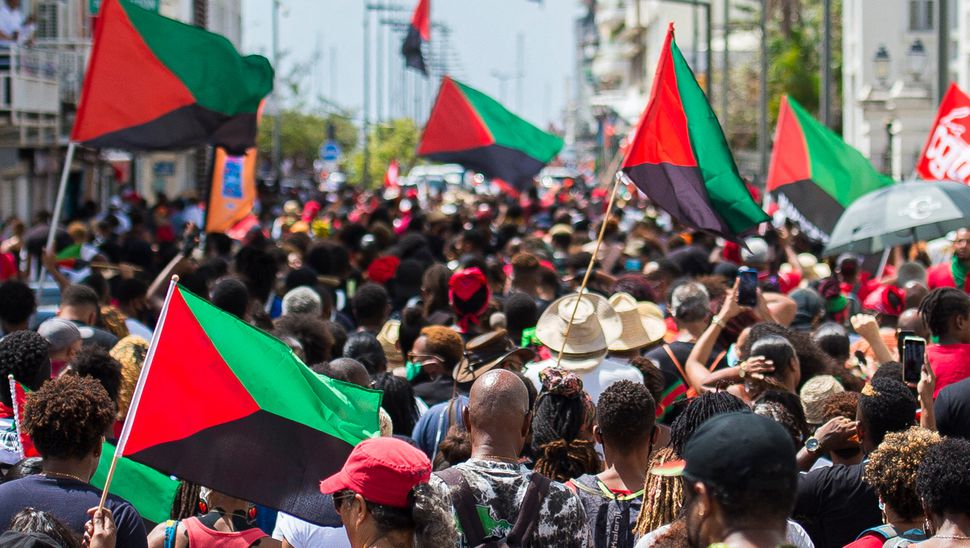
Next, we must consider the economic disparities between the predominantly black and mixed-race populations and the white minority on these islands. The white minority, which historically controlled significant economic resources and political power, continues to exert considerable influence. This economic imbalance has led to widespread protests and strikes, primarily driven by issues related to wages, employment opportunities, and living conditions. The stark contrast in wealth and power between the white minority and the majority population remains a significant source of social friction and unrest.
The Béké Community
Lastly, the béké community plays a pivotal role in the social conflicts observed in Martinique and Guadeloupe. The term “béké” refers to the white descendants of French colonizers, plantation owners, and slaveholders. This group holds a disproportionate amount of economic and political power and maintains a distinct cultural identity and lifestyle. Given their historical advantages, including benefits derived from slavery and colonialism, the béké community embodies two major sources of social conflict: historical injustice and ongoing inequality. Their continued privilege starkly contrasts with the socio-economic challenges faced by the majority black and mixed-race populations.
Case Study: The Chlordecone Controversy
To illustrate the impact of these conflicts, consider the case of chlordecone, a toxic pesticide used extensively in banana plantations during the 1970s and 1980s. Despite being banned in mainland France in 1990 due to its hazardous effects, the béké community managed to secure exemptions to continue using this chemical for increased agricultural productivity. The persistent use of chlordecone has led to severe environmental contamination, with the chemical lingering in the soil and water supply, subsequently entering the food chain. This has resulted in elevated cancer rates and other health issues among residents. The French government has been criticized for its inadequate response and lack of support for those affected, further exacerbating the sense of injustice and neglect experienced by the islanders.
Conclusion
In conclusion, social conflict in Martinique and Guadeloupe is a multifaceted issue that reflects the ongoing struggles of these former colonies to assert their identities and address the legacies of centuries of oppression and exploitation. The marginalization of their cultural and linguistic identities, the economic disparities perpetuated by historical inequalities, and the controversial role of the béké community all contribute to the complex socio-political landscape of the French Caribbean Islands. By acknowledging these factors, we can better understand the sources of social unrest and the broader implications for the islands’ quest for justice and equity.