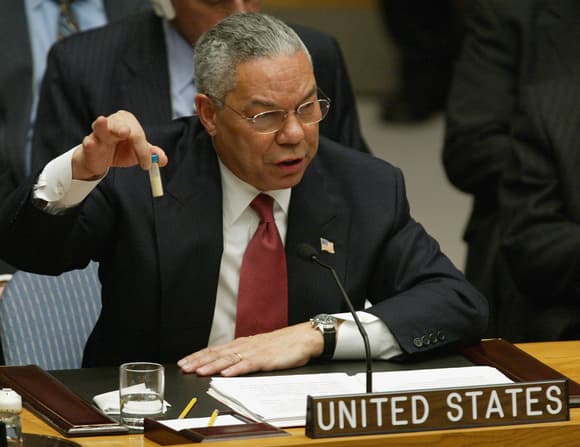
Here is my undergraduate research paper. I have spent six months working on it, focusing on a topic that has long intrigued me: American political communication surrounding the Iraq War. After twenty years, I found it pertinent to address this subject.
In retrospect, a year Iater, I believe this work lacks precision and contains numerous extraneous details. Nonetheless, I am publishing it here because I am proud of the effort I put in at that time and wish to preserve a meaningful record of it.
Summary:
This dissertation examines the relationship between agenda-setting, political communication, and the legitimization of military actions during the 2003 Iraq War. The study draws on the theoretical frameworks of agenda-setting theory and discourse analysis methodology to investigate how the US governments pushed the Iraq issue onto the agenda, as well as the rhetorical strategies used by Bush administration to shape public opinion, justify war, and garner support for its actions. The findings suggest that political communication and media coverage of the war played a crucial role in shaping public opinion and legitimizing the government’s military actions in Iraq. Specifically, the study highlights the agenda-setting function in framing the war in terms of national security and the threat of terrorism, as well as the government’s use of legitimacy strategies to garner public support for the intervention in Iraq. The findings of this study contribute to a better understanding of the complex relationship between communication, politics, and public opinion, and the role of political communication in shaping public opinion and legitimizing military actions during times of war. The research highlights the need for critical analysis of political discourse and media coverage to uncover how power and influence are exercised.
One thought on “How Governments Shape Public Opinion and Set Agendas on Military Actions: Insights from the 2003 Iraq War”