Estimated reading time: 11 min 30
Since the end of the USSR and the East-West conflict, ethnic wars have captured the attention of both the media and researchers. This focus has created the impression that such wars are widespread and that ethnic differences are the primary cause of internal conflicts. However, the reality is often more nuanced and complex than a mere dichotomy between two ethnic groups.
Examining the post-1945 era, approximately 85% of ethnic groups worldwide have never engaged in armed conflict. In sub-Saharan Africa, despite significant ethnic diversity, with an average of eight ethnic groups per state, this figure rises to about 90% (Panel, 2021). Factors such as access to government positions, mining, and oil resources often play a more decisive role than cultural differences between ethnic groups. Theories attributing civil wars in Africa to cultural differences largely stem from post-colonial perspectives that continue to shape the public’s perception of the continent (Pontzeele, 2008).
Table of contents:
I- Defining ethnic wars
II- The colonial state and the role of ethnicity in Africa
III- Case studies
IV- Criticisms made to the concept of « ethnic » wars
What is an « ethnic war »?
To accurately define ethnic warfare, it is essential first to understand what constitutes an ethnic group.
An ethnic group can be defined as « a group of individuals who, at a minimum, perceive themselves as a historical unit reproducing vertically and self-sufficiently, and therefore as a people in the cultural sense of the term. » (Panel, 2021)
Ethnic conflicts can be defined in two ways.
- The restrictive definition: this definition is based on two main criteria: the objectives of the belligerents must pertain to ethnicity (such as self-determination or the recognition of political and cultural rights), and the participants are recruited from the ethnic groups associated with their leaders.
- The broader definition: According to this definition, a conflict is deemed « ethnic » if it involves confrontation between two distinct groups, or alliances of distinct groups, where the ethnicity of fighters influences their allegiance (Panel, 2021).
Ethnic conflicts are frequently accompanied by gross human rights violations, including genocide and crimes against humanity. Additionally, they often lead to economic decline, state failure, environmental degradation, and large-scale refugee movements. Such violent conflicts result in profound human suffering.
The colonial state and ethnicity in Africa
The conceptions of ethnicity in contemporary Africa are profoundly intertwined with the colonial legacy. Colonial powers imposed new identities and classifications while dismissing pre-existing ones. This intervention significantly altered the indigenous sense of identity and ethnicity that existed prior to colonial rule. In essence, colonialism introduced and institutionalized novel ethnic categories.
- Colonial administrators and missionaries, for instance, elevated minor dialects and localized groups to the status of ‘tribes’ or ethnicities, often distorting the complex social structures that existed before their arrival.
- Between the late 19th century and the early 1960s, colonial powers meticulously restructured the political geography of Africa, creating new states that were subsequently transferred to indigenous elites at the onset of the post-colonial period.
- Moreover, in the name of national unity, the post-colonial states frequently marginalized and suppressed ethnic identities, denying their significance within the emerging political, social, and economic frameworks. This denial has had enduring implications for the political and social dynamics within the post-colonial context.
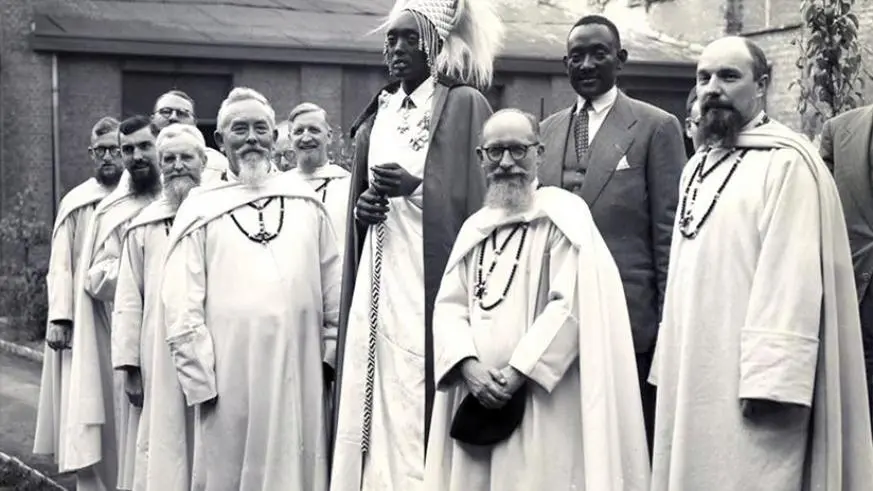
To better understand the arguments presented, we will examine two case studies: the conflict in the Democratic Republic of Congo (DRC) and the Rwandan genocide.
1. The Rwandan Genocide
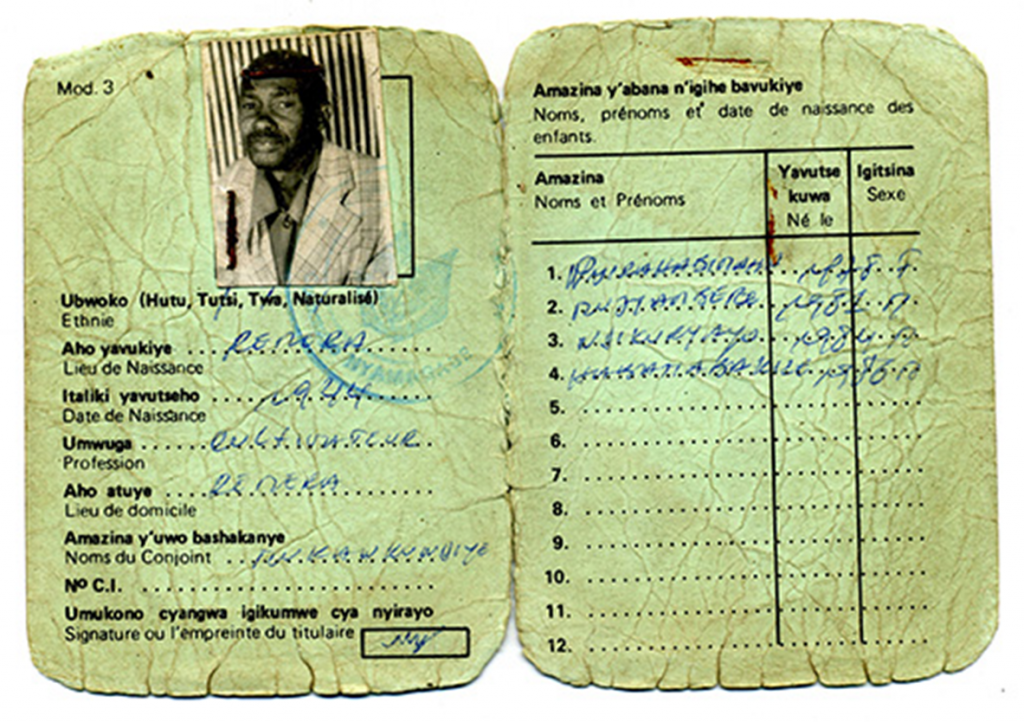
The origins of the Rwandan genocide can be traced back to Belgian colonial rule, which entrenched and racialized ethnic divisions among the Hutu, Tutsi, and Twa populations of Rwanda. While these identities existed prior to colonization, Belgian authorities exacerbated and rigidified them, notably through the introduction of ethnic identity cards.
Initially, both German and Belgian colonial administrations governed indirectly through the Tutsi monarchy, which intensified the exploitation of the Hutu majority. The 1959 Hutu Peasant Revolt led the Belgian authorities to shift power to the Hutu majority. When Rwanda achieved independence in 1962, the Hutus, as the ethnic majority, assumed control of the government.
By the late 1980s, Rwanda appeared to be moving beyond its ethnic divisions, with efforts such as ethnic quotas in government and education aimed at addressing historical imbalances.
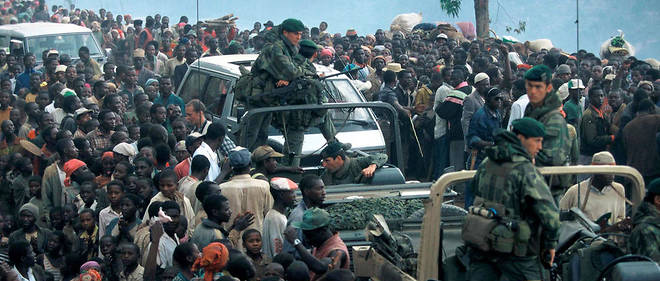
However, the outbreak of civil war in 1990 reignited ethnic tensions. The conflict between the government forces and the Tutsi-led Rwandan Patriotic Front (RPF) was marked by anti-Tutsi propaganda rooted in colonial ideologies of Tutsi inferiority. Media outlets, notably Radio Télévision Libre des Mille Collines (RTLM), played a significant role in inciting hatred, which ultimately culminated in the 1994 genocide.
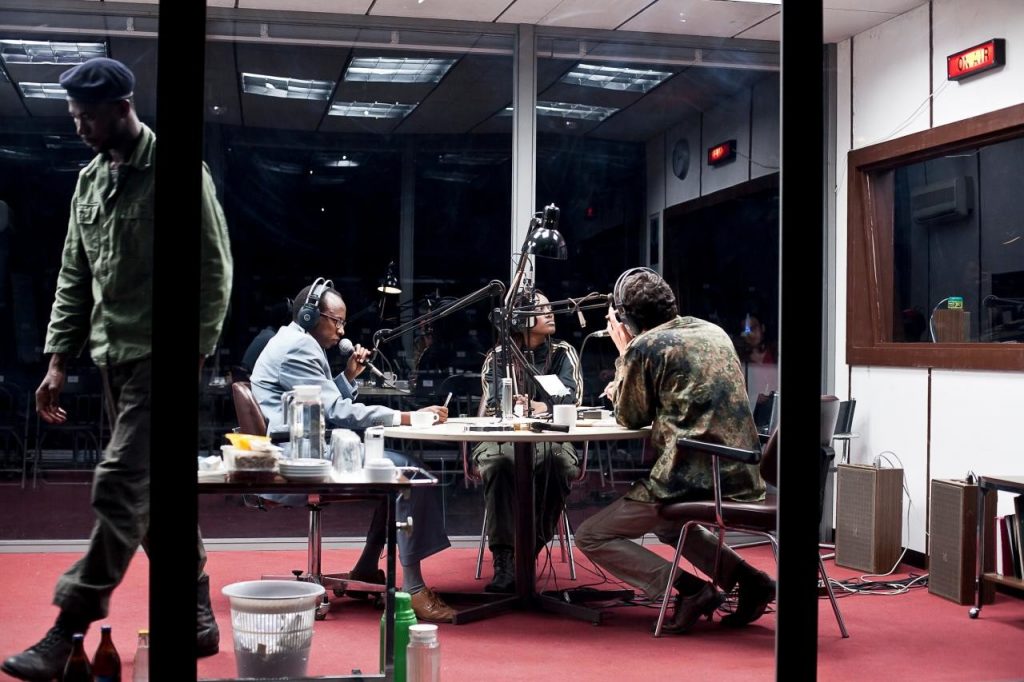
Although the genocide in Rwanda is often characterized as an ethnic conflict, this interpretation does not fully capture the complexities underlying the violence. The genocide was also influenced by regional, economic, and political factors. Scholars argue that the genocide was driven by a combination of economic crisis (Hintjens, 1999) and the Habyarimana regime’s need to maintain power amidst rising internal discontent and demands for political reform, including multi-party politics. The regime intensified ethnic divisions to deflect attention from political issues and to weaken support for the RPF.
The 1990 invasion by the RPF from Uganda further exacerbated the government’s use of ethnic scapegoating. Ethnic awareness, in normal times, was utilized to justify the concentration of power. However, during periods of crisis, this awareness was magnified and weaponized to serve political ends (Newsbury, 1995). This manipulation of ethnic divisions distracted the populace from underlying political tensions and undermined support for opposition forces.
In conclusion, the ethnic divisions in Rwandan society were not inherently conflictual but were rather constructed and reinforced by political and institutional actions, particularly during the colonial era. Over time, these constructed identities became deeply internalized by the Rwandan population, significantly shaping their social relations and interactions.
2. The Second Congolese War
The Second Congolese War, often referred to as the Great African War, took place from 1998 to 2003. It was profoundly influenced by the aftermath of the Rwandan genocide, historical colonial legacies, and regional instability. Despite initial perceptions of the conflict as an ethnic struggle, it is, in fact, a multifaceted crisis that extends beyond mere ethnic divisions.
The conflict’s roots can be traced to the mass exodus of Rwandan Hutus into eastern Congo, which significantly destabilized the region and contributed to the outbreak of the First Congo War. This earlier conflict ended with Laurent-Désiré Kabila ascending to power as dictator, with support from Rwanda and Uganda. However, after the war concluded in 1997, Kabila turned against his former allies, demanding their withdrawal from Congolese territory.
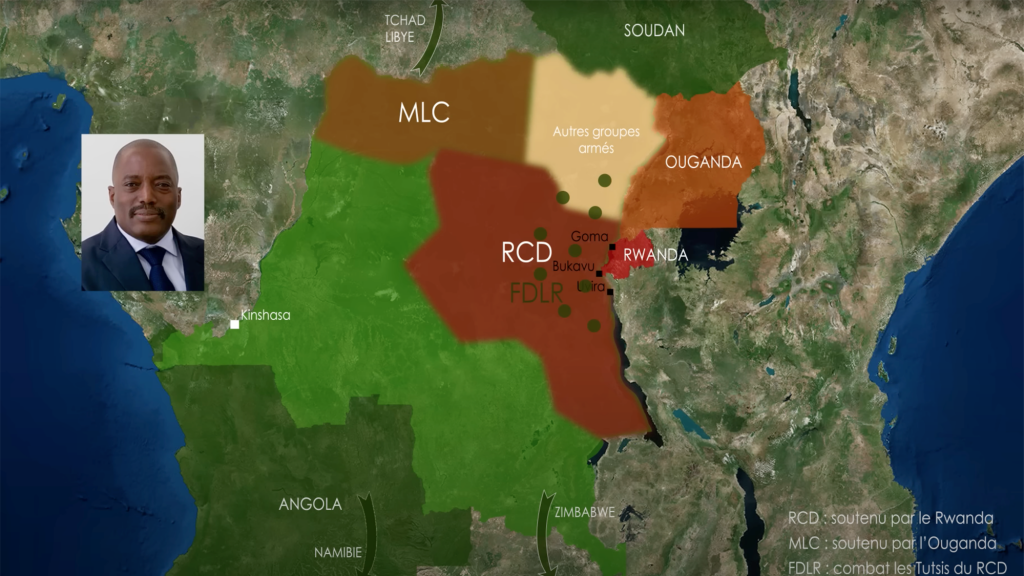
In the provided map, regions influenced by Rwanda are marked in red, those under Ugandan influence in the northwest, and areas with rebel groups lacking foreign backing are indicated in the northeast. Notably, green points represent former Hutu genocidaires who, despite aligning with the Kinshasa government, pursued their own interests and engaged in conflicts with Rwandan forces. The primary issue lies in the comparative stability and superior military capabilities of Rwanda and Uganda relative to the Democratic Republic of Congo (DRC). These neighboring countries have maintained significant influence in eastern Congo, choosing to support and arm rebel factions rather than withdraw. Consequently, the conflict is frequently characterized as ethnic in nature.
Following its own civil war, Rwanda, led by a Tutsi administration, has supported Tutsi rebels in Congo. However, contrary to the notion of simply exterminating Hutus, Rwanda’s covert agenda primarily revolves around exploiting the region’s rich natural resources. Although Rwanda does not possess diamond mines, it is a major exporter of diamonds, with suspicions that a significant portion originates from Congolese mines. Furthermore, the stated aim of protecting the Tutsi population is often seen as a pretext for Rwandan involvement, which may inadvertently exacerbate tensions within the Tutsi community.
The conflict also involved seven other African nations, each playing varying degrees of active roles. Numerous rebel groups, Hutu militias, and Tutsi militias further complicated the situation.
Broadly, the conflict featured four main factions:
- Tutsi Forces: This faction included the national armies of Rwanda and Burundi. Their objectives were to safeguard national security, protect Tutsi populations in the DRC, limit Uganda’s regional influence, and control the DRC’s natural resources.
- Hutu Forces: Comprising Rwandan Hutus implicated in the 1994 genocide, along with Burundian rebels and associated militias such as the Forces démocratiques de libération du Rwanda (FDLR) operating in the Kivus, their goals were to expel foreign Tutsi forces, overthrow Tutsi governments in Rwanda and Burundi, and gain control over natural resources.
- Forces Aligned with Uganda: This faction included the Ugandan army and various Ugandan-backed rebel groups, such as the Mouvement de libération du Congo (MLC). Their objectives involved securing Uganda’s borders, curtailing Rwanda’s influence, and exploiting Congolese natural resources by preventing the emergence of a strong Congolese state.
- Forces Aligned with Kinshasa: This group comprised the Congolese National Army, Mai-Mai nationalist groups, and allied nations such as Zimbabwe, Angola, Chad, and Namibia. Their primary aim was to restore national unity by asserting control over territories, borders, and natural resources.
In summary, while this overview provides a structured understanding of the conflict, it is clear that the Second Congolese War is not merely an ethnic struggle. Instead, it represents a complex power struggle over resources and influence, involving multiple actors with diverse and overlapping interests.
Criticising the concept of « ethnic » wars
As demonstrated in this article, attributing a war solely to ethnic factors oversimplifies its underlying complexities. Despite this, many African conflicts are frequently labeled as ethnic in nature. Understanding how this perception arises requires a closer examination of the role ethnicity plays in such conflicts.
Firstly, ethnicity often serves as a convenient narrative that obscures the deeper causes of conflict. In numerous post-colonial states, intense competition exists among various groups, often elites, for control over valuable resources such as land, minerals, or political power. This competition intensifies as resources become scarcer over time. Ethnicity is frequently utilized by these competing elites as a mobilizing tool. Rather than reflecting genuine ethnic animosity, ethnic sentiments are manipulated by leaders to garner support and consolidate their power. Individuals are mobilized along ethnic lines because they perceive their group as being unjustly deprived of access to these resources. Thus, it can be posited that ethnicity itself is not the fundamental cause of conflict in Africa. Instead, it is a construct exploited by political leaders to advance their agendas, whether those are acquiring power, accumulating wealth, or controlling resources.
Moreover, the notion of « ethnic conflict » has been perpetuated, to some extent, by former Western colonial powers. These powers may have a vested interest in portraying African conflicts as purely ethnic. By framing conflicts this way, they can divert attention from their own roles in creating the conditions that led to these conflicts. The colonial legacy of these Western powers includes the imposition of artificial identities and the drawing of arbitrary borders, often disregarding existing ethnic or cultural divisions (a detailed analysis of this issue was presented during the first seminar). These actions have undeniably contributed to tensions and conflicts in post-colonial Africa. By characterizing these conflicts as rooted in « inherent ethnic tensions, » Western powers can evade accountability for their role in fostering and exacerbating these issues.
In summary, while ethnicity is often cited as the cause of conflicts in Africa, it is more accurately a tool exploited by elites to further their interests in the competition for resources and power. Genuine ethnic animosity is not necessarily the root cause of these conflicts but rather a convenient mechanism for leaders to manipulate in their pursuit of dominance.
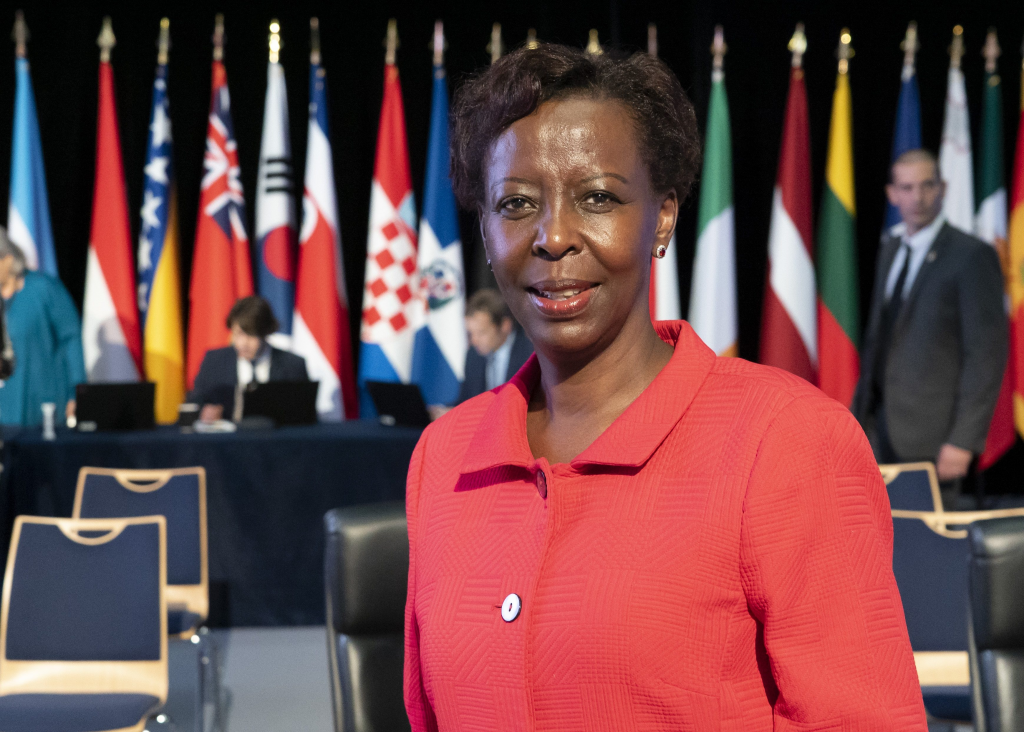
“I am profoundly offended by […] news reports describing what is being perpetuated in Rwanda as some mindless ‘ethnic slaughter and tribal violence,’ instead of the politically motivated, long-planned systematic mass extermination of an entire people by those Presidential Guards and the death squads acting under their orders.”
Louise Mushikiwabo, in a letter to The Washington Post published in 1994 (Mushikiwabo later became Rwanda’s minister of foreign affairs.)
In conclusion, characterizing African wars as purely « ethnic » fails to capture the complex dynamics underlying these conflicts. Although ethnic identities may play a role, they are frequently manipulated by political elites who are pursuing their own agendas in the broader struggle for power and resources. The Rwandan genocide and the Second Congolese War are salient examples that illustrate how colonial legacies, economic interests, and political motives intersect with ethnic divisions, thereby exacerbating conflict.
To gain a comprehensive understanding of these conflicts, it is essential to move beyond simplistic ethnic explanations and explore the broader socio-political and economic contexts that underpin them. By addressing the multifaceted factors driving these conflicts, policymakers and international actors can develop more nuanced strategies for conflict resolution and peacebuilding in Africa.
Furthermore, it is crucial to challenge the prevailing narrative that frames African conflicts exclusively as ethnic confrontations. This reductionist view not only oversimplifies the root causes of conflict but also perpetuates stereotypes that obstruct efforts to tackle systemic issues related to governance, inequality, and marginalization. A more nuanced approach is necessary to effectively address the complex realities of conflict in Africa and to foster sustainable solutions for peace.